

Introduction.
Bharathiraja has been credited with revolutionising the Indian film industry. When he made his debut in 1977 with the Kamalhaasan-Sri Devi-Rajinikanth starrer, Pathinaaru Vayathinley, it marked a major shift in the approach to filmmaking.
In addition, Bharathiraja introduced a host of new talent behind and in front of the camera, many of whom carved new paths for Tamil cinema in the 1980s and beyond. Actors and actresses like Karthik, Radha, Revathy, Radhika, Vijayan, Sudkar, Priyamani, Pandiyan, Sukanya, Rekha, Ranjani, Raja and Janakaraj are just some of the faces he introduced to the screen while his assistants like Bhagyaraj, Manivannan, K. Rangaraj and Manobala went on to become maverick directors themselves, each with their own line of successful protégés.
If one had to examine just one line of successes: Bharathiraja mentored K. Bhagyaraj who mentored R. Parthiban who mentored Karu Pazhaniappan who mentored Ra. Venkat and Thangaraj Chandra. A significant percentage of Kodambakkam directors have direct or indirect roots of Bharathiraja or his protégés.
16 Vayathiniley – A film that permanently changed the face of Indian Cinema
Whilst many film directors were trying to create a fantasy film world that involved filming on elaborate film sets, 16 Vayathiniley was filmed almost entirely on location among ordinary people in real dwellings. The characters were real, raw and unembellished. The film took rural India – warts, beauty and all – to central stage and destroyed the notion that lead actors had to be attractive, charming or intelligent.
For Kamalhaasan, it was a brave step, as he was only just beginning to establish a market as a lead actor, and to accept a role like Chappani in the film required tremendous faith in the director, as the character was everything a film’s “hero” should not be.
The gamble for everyone paid off and, contrary to the predictions of many, 16 Vayathiniley became a runaway commercial hit and led to it being remade into Hindi. More than it box-office success, 16 Vayathinley forever changed the filmmaking landscape not only of South India but of the Indian film industry as a while.
The man with that vision and the confidence in his new style of filmmaking was Bharathiraja, a man who aptly earned the sobriquet Iyakunar Imayam.
One of the major contributors to the film’s success was the music of Illaiyaraja, whose genius for capturing the heart of rural Tamil Nadu remains unsurpassed. Their friendship – which began before Bharathiraja’s entry into the film world – would remain for many decades.
Kizhakke Pogum Rayil entrenched the rural trend
Bharathiraja extended his level of experimentation with his second film – Kizhakke Pogum Rayil. Once again set in rural milieu, Bharathiraja used the film to launch several careers with the lead pair – Sudhakar and M.R. Radhika – as well as Vijayan, Usha and Janakaraj. Bharathiraja also made a cameo appearance for the first time. This film also saw box-office success and rave reviews and was remade into Hindi and Telugu. The songs were a raging hit and played a very big role in the film’s continuing popularity.
The switch to a modern setting: Sigappu Rojakkal
The only criticism that Bharathiraja was facing at that point was his penchant for rural settings, and critics observed that he had made that his comfort zone. Bharathiraja’s response was to direct a modern thriller in an urban setting and a daringly different story that featured brave characterisation.
Titled Sigappu Rojakkal it starred Kamalhaasan and Sri Devi and shattered many stereotypes of Tamil cinema. In addition, the film also introduced the film’s writer – K. Bhagyaraj – in his first major role. (He had played a very minor role as a doctor in Pathinaaru Vayathiniley). The film’s story, scripting and directorial style set new industry standards for thrillers.
Once again, a major contributory factor to the film’s success was Illaiyaraja’s music. His two songs and his intense background score elevated the film.
Puthiya Varpugal begins another new era for Tamil films.
Bharathiraja’s next Tamil film was Puthiya Varpugal which introduced K. Bhagyaraj as a lead star opposite another debutante – the 16-year old Rati Agnihotri who would soon find fame in the north and south Indian film industries. In addition, the film also introduced Chandrasekar, Haja Sherrif and Manobala to the screen. Yet again, Illaiyaraja’s music played a pivotal role in the film’s success.
Niram Maratha Pookal – A lyrical love story
Bharathiraja’s next film – Niram Maratha Pookal – was written by Panju Arunachallam and K. Bhagyaraj. 99The film was initially meant to star Kamahaasan, Rajinikanth and Sri Devi, but the death of the original producer saw many delays in the film and a drastic change in the budget. This eventually saw Sudhakar, Vijayan, Radhika and Rati Agnihotri playing the film’s lead pairs. The film had mixed reviews but had an excellent run at the box-office, while the songs became huge hits.
Nizhalgal – an experimental film with a delayed response
Bharathiraja’s first collaboration with Manivannan as writer was Nizhalgal, which failed at the box office, but launched the careers of Ravi (thereafter known as Nizhalgal Ravi), Rohini and Rajasekaran. The film also introduced Vairamuthu to films through the song Pon Maalai Pozhuthu. Although the film was not a commercial success, it subsequently won a lot of praise at international film festivals. Illaiyaraja’s music went beyond genius level in the film’s songs.
Alaigal Oyvathillai creates new records
Bharathiaraja’s next Tamil film – released on 18 July 1981 – was the hugely successful Alaigal Oyvathillai which won eight Tamil Nadu state awards which included Best Film, Best Director and Best Story Writer. This film was also remade into Hindi. This marked Bharathiraja’s second collaboration with Manivannan as story writer. The film also introduced Thyagarajan (father of Prashanth) to the screen.
Tik Tik Tik – A modern Hollywood-style thriller
Bharathiraja then switched to a very modern thriller, Tik Tik Tik, that had Kamalhaasan, Madhavi, Radha, Sarika and Swapna in the lead rolesbefore tacking another novel theme in Kaadhal Oviyam which introduced Sunil Kirpalani in the lead role opposite Radha. The film, however, attracted largely negative reviews and was saved from complete disaster because of Illaiyaraja’s songs.
Vaalibamey Vaa – an experimental film that did not click
Vaalibamey Vaa Vaa with Karthik and Radha in the lead roles was another experimental film that did not do well at the box-office.
Mann Vaasanai – yet another milestone in Bharathiraja’s career
Bharathiraja bounced back to form with his next film, Mann Vaasanai, which introduced Pandiyan and Revathi to the screen. The film was a box-office hit and won numerous awards, including the Filmfare Award for Best Film.
Pudhumai Penn – a controversial venture into new territory
Bharathiraja retained this pair for his next Tamil film Pudhumai Penn – his first collaboration with AVM Productions, The film introduced Dr Rajasekar to the screen. Despite a hit soundtrack and a daringly different story, the film did not do well at the box-office.
Oru Kaidhiyin Diary – a dual language thriller
Bharathiraja’s next film was with Kamalhaasan, Radha and Revathi in the lead roles, with Malaysia Vasudevan playing the main antagonist. It reunited him with K. Bhagyaraj who had earlier gone out on his own and had become a successful director. Titled Oru Kaidhiyin Diary, it was a taut suspense thriller that was successfully remade into Hindi.
Mudhal Mariyaadhai – A film that rewrote Tamil cinema historu
Bharathiraja’s 1985 film, Mudhal Mariyaadhai was an important film in his filmography. The film won multiple awards and was a silver jubilee hit, but was significant in other ways.
Sivaji Ganesan’s films in the 1980s had lots of box-office success, but few of those films gave a glimpse of his acting depth. Mudhal Mariyaadhai changed that, and audiences could see that Sivaji Ganesan’s acting had a totally different dimension from his previous films. Sivaji Ganesan had successfully altered his acting style to suit the current sensibilities – and he did so when he was quite unwell, accepting the offer only after persistent pleading from Bharathiraja.
Mudhal Mariyaadhai introduced Singaporean actress Sasha Selvaraj to the screen who was rechristened as Ranjini by Bharathiraja. The film also introduced Deepan, the nephew of MGR’s wife, V.N. Janaki, to the screen. The film marked the 99th film of actress Radha whose voice in the film was dubbed by M.R. Radhika.
Illaiyaraja’s music in the film was a major plus and, among its many awards, were two national awards – Best Film and Best Lyricist for Vairamuthu. Radha was in very strong contention for the Best Actress award, but she was eventually disqualified because her voice had been dubbed.
Mudhal Mariyaadhai was a massive hit and reaffirmed Bharathiraja’s mastery of his craft.
Kadalora Kavithaigal – Bharathiraja’s 25th film
Bharathiraja\s 25th film – Kadalora Kavithaigal – saw Sathyaraj in the lead role and introduced to the screen Raja and Rekha. The film did not set the box-office on fire but Illaiyaraja’s soundtrack was a huge hit.
Vedham Pudhidhu – More controversy for Bharathiraja
Bharathiraja’s next film – Vedham Pudhidhu – was his first film without Illaiyaraja. It was a controversial one that received vocal opposition for its perceived negative depiction of Brahmins and even the Vedas and was facing being completely banned. However, Bharathiraja approached M.G. Ramachandran who, although seriously ill, managed to clear the way for the film’s release. The film was a moderate success and starred Sathyaraj, Saritha, Raja and Amala in the lead roles and introduced Theni Kunjarammal to the screen.
Rajinikanth reunites with Bharathiraja after more than a decade
More than a decade after Rajinikanth appeared in Bharathiraja’s directorial debut in Pathinaaru Vayathiniley, the two came together for a commercial entertainer titled Kodi Parrakudhu, a film in which Manivannan (dubbed by Bharathiraja) had a major acting role. The film had music by Kannada music composer, Hamsalekha and opened to mixed reactions from audiences and critics.
Films with mixed success
This was followed by Yen Uyir Thozhan which introduced Bbau, Thennavan and Rama to the screens. Although the film failed at the box-office, it ha sisnce gained a cult following.
Bharathiraja\s next film – Pudhu Nellu Puthu Naathu was a moderate success. It introduced three new talents to the screen – Napoleon, Sukanya and Ram Arjuj – the brother of Radha and Ambika.
Nadodi Thendral – The end of an era
In 1992, Bharathiraja combined the elements of a modern love story with a rural setting in the period film Nadodi Thendral. The film introduced Ranjitha to the screen and enjoyed moderate success. The film marked the last collaboration between Illaiyaraja and Bharathiraja until the 2023 web series Modern Love Chennai.
Bharathiraja’s 1993 Raja-Kushbu film, Captain Magall failed at the box-office. The film had music by Hamsalekha.
Kizhakku Cheemaiyile – A new Chapter Begins
Kizhakku Cheemaiyile – released13 November 1993 – marked Bharathiraja’s first collaboration with A.R. Rahman. Although Bharathiraja could not replicate the success of his earlier rural-based film, Kizhakku Cheemaiyile went on to enjoy box-office success.
Karuthamma – a strengthened bond
A year later, Bharathiraja\s second collaboration with A.R. Rahman – Karuthamma – was a mega hit and won 3 national awards, 3 Tamil Nadu state awards and numerous others. It was a film that firmly established the new pair of Bharathiraja and A.R. Rahman. Karuthamma introduced to the screen Periyar Dasan, Rajashree and Maheswari (niece of Sri Devi).
A time to regroup and re-focus
Bharathiraja’s first collaboration with music composer Vidhyasagar was the Sivaji Ganesan-Prabhu starrer, Pasumpon which could only manage moderate success.
Bharathiraja’s first collaboration with Deva – the Vijayakanth-Roja starrer, Thamizh Selvan – was a major box-office disappointment, with many critics now maintaining that Bharathiraja had passed his expiry date as a director.
Bharathiraja’s third collaboration with A.R. Rahman was a film that underplayed the role of music. Titled Andhimandharai. The film failed at the box-office but was loved by the critics, later winning a national award fpr Best Film.
Mani Ratnam and Bharathiraja combine talents in Taj Mahal
Bharathiraja’s next film – Taj Mahal – was an ambitious film that had huge expectations. It had a story by Mani Ratnam and marked the acting debut of Bharathiraja’s son, Manoj, in the lead role. The film failed badly at the box-office.
Lean times for Manoj and his father
Bharathiraja’s next film, Kadal Pookal, had Murali in the lead, with Manoj playing the second lead. Although it did not attract praise from the critics, it went a national award for Best Screenplay and the Tamil Nadu state award for Murali for Best Actor. Deva scored the music.
Bharathiraja’s next film with Manoj – Eera Nilam – was also panned by the critics but went on to win two state awards – Best Film and Best Scriptwriter for Thenmozhi.
Bharathiraja’s experimental thriller, Kangallaal Kaidhu Sei, did not impress critics. IT introduced Vasseegaran and Priyamani to the screen and had music by A.R. Rahman.
Bommalattam – re-establishing Bharathiraja’s mastery of films.
Just when critics were beginning to write off Bharathiraja as a director unable to evolve with the times, he came up with a bilingual film – titled Bommalatttam in Tamil and The Director’s Cut in Hindi. The film had Nana Patekar in the lead supported by Arjun and introduced Rukmini Vijayakumar to the screen.
Final film with Manoj
Bharathiraja’s then cast Manoj again in the lead role in Annakodi opposite Karthika Nair – who acted under Bharathiraja’s direction 32 years after her mother, Radha, had made her debut in Alaigal Oyvathillai. This film failed at the box-office.
Meendum oru Mariyaadhai – Bharathiraja’s last directorial
Bharathiraja’s last directorial was Meendum our Mariyaathai which was a lavish production that ended up as a commercial failure.
Bharathiraja’s new avatar in Tamil cinema
Of late, Bharathiraja has made a name for himself as an actor. After his cameo role in films like Kizhakke Pogum Rayil, Kallukkull Eeram and Dhaavani Kabavugal, he began to take on fully-fledged acting roles, beginning with Mani Ratnam’s Aayudha Ezhuthu. His notable performances in other films include Rettai Suzhi (where he shared the screen with K. Balachander), Pandianadu (winner of Vijay award for Best Supporting Actor), Kurangu Bommai, Namma Veetu Pillai, Thiruchitrambalam, Vaathi and Niram Maarum Ulagil.
Conclusion
Bharathiraja has earned himself a permanent place in Tamil cinema history. His brave new approach and a willingness to break boundaries has taken Tamil cinema to new territories – literally and figuratively.
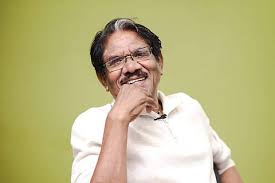
Bharathiraja turned 84 today.
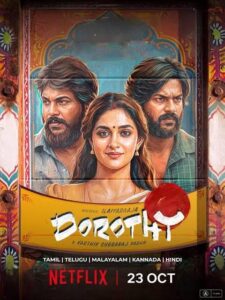
Spoiler-free Review of “Dorothy” – Now streaming on Netflix
Post Views: 10 Karthik Subbaraj’s tenth film, Dorothy, has enjoyed increased footfalls and positive reviews in its 29-day theatrical run before its release on Netflix
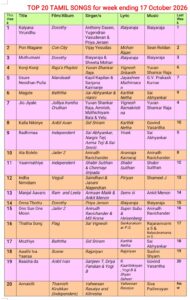
TOP 20 TAMIL SONGS for week ending 17 Oct 2026
Post Views: 9 2nd week at Number 1 for “Kalyana Virundhu” from “Dorothy” and one new entry. This week’s Top 20 – Click Here to

Cine News Digest – 18 Oct 2026
Post Views: 10 Rajinikanth’s Jailer 2 on its way to smash records Jailer 2 is hurtling towards the 400-crore mark globally and could become Tamil

Spoiler-free Review of “JAILER 2”
Post Views: 12 Nelson Dileepkumar’s sequel to his 2023 Rajinikanth starrer, Jailer, is a sincere and earnest attempt to improve on the original. Nelson has
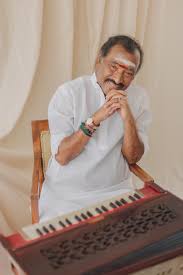
Music Composer Deva dies at age 75
Post Views: 11 Respected and popular music composer Deva – popularly known as Thenisai Thendra Deva – passed away earlier this morning at the age
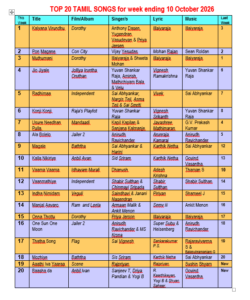
TOP 20 TAMIL Songs for week ending 10 October 2026
Post Views: 16 Click here to watch all 20 Songs or select your favourite Facebook Twitter LinkedIn