Exploring the Enigma Called Illaiyaraja – Episode 3
Devan Nair
Table of Contents
Post Views:176
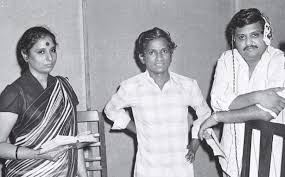
Illaiyaraja’s first soundtrack was a runaway hit, but there were many who still doubted his talent and longevity in the industry. Illaiyaraja’s second film, Paaloota Vallartha Killi was the first of his soundtracks to feature his old and lifelong friend, S.P. Balasubramaniyam.
After scoring music for three successive films for the directorial duo, Devaraj-Mohan, the first mainstream director to sign on Illaiyaraja was A.C. Thirulokachander. Thirulokachander had a special relationship with M.S.Viswanathan and asked his opinion about Illaiyaraja. The magnanimous Viswanathan was full of praise for Illaiyaraja, and told Thirulokachaner that he would have no objection about using Illaiyaraja. The film was Badhrakali which was produced and directed by Thirulokachander.
The success of the soundtrack of Badhrakali firmly entrenched Illiayaraja’s place in the Tamil music industry.
In January 1977, came the release of Sivaji Ganesan’s blockbuster movie, Dheepam. The film was originally scheduled to have been directed by Devaraj-Mohan, the duo who directed Annakilli and this was a project they had initially planned to introduce Illaiyaraja, but chose instead the rural-based Annakilli. However, the duo had some misgivings about what producer K. Balaji wanted from the film and they ditched the project. The film was then taken over by director K. Vijayan. Both, Balaji and Vijayan, had traditionally worked with MS Viswanathan and, once again, Viswanathan was consulted and he readily gave his blessings. The songs from Dheepam became a major factor in the success of the film, with hit songs like Poovizhi Vaasaliley, Pesaatha, Antha Purathil and Raja Yuvaraja topping all the charts and saw Illaiyaraja’s popularity dramatically increase.
Illaiyaraja’s next milestone was another Devaraj-Mohan directorial produced by Panju Arunachallam, titled Kavi Kuyil which Sivakumar, Rajinikanth and Sri Devi. The film featured the hit song Chinna Kannan Azhakkiraan – one version sung by the legendary Balamurali Krishna, and the other by S. Janaki. This film also marked the singing debut of Sujatha Mohan with the song Kaadhal Oviyam Kanndaen. With this soundtrack, Illaiyaraja won over many of the purists who had ascribed his fame to pure luck. Musically, Kavi Kuyil was a glimpse into the mazing intricacies that Illaiyaraja was capable of.
In April 1977, discussion began on the film Pathinaaru Vayathiniley to be directed by first-time director, Bharathiraja. Bharathiraja and Illaiyaraja were childhood friends and Bharathiraja had been trying for a long time to find a producer for his debut film. They had earlier agreed then that, should the project materialise, G.K.,Venkatesh should score the music. However, given the popularity of Illaiyaraja’s music since his debut, producer S.A. Rajakannu wanted to sign on Illaiyaraja to do the music. When they approached him, he declined and said that the correct thing to do would be for the project to be given to G.K. Venkatesh. Venkatesh, knowing about the special bond between Bharathiraja and Illaiyaraja, then instructed Illaiyaraja to take on the film.
Pathinaaru Vayathiniley was a ground-breaking, trend-setting film that forever changed the way Tamil films were made. More importantly, it won for Illaiyaraja the state award for Best Music and a national award for S. Janaki for Best Female Playback singer. This was not surprising, as Illaiyaraja once again took folk melodies and traditional lyrics and set this against a modernised score that incorporated many traditional elements. It was a new sound and one that listeners eagerly embraced.
A year later, Devaraj-Mohan (Directors of Annakilli) once again engaged Illaiyaraja to score music for a film produced by their director mentor, P. Madhavan. Titled Chittukuruvi, Illaiyaraja once again produced a hit album, with one of the songs – En Kanmani – being one of the first songs in any Indian language to use counterpoint in recording. The song is a firm favourite to this day. Chittukuruvi was scripted by lyricist Vaali, who shared a special and lasting relationship with Illaiyaraja.
This year – 1978 – proved to be one of Illaiyaraja’s most successful year since his introduction. A total of 24 films featuring his music and songs released in this calendar year and contained some of the biggest hits of his career. This included Illaiyaraja’s first collaboration with ace director C.V. Shridhar and his two assistants – P. Vasu (Chinna Thambi & Chandramukhi fame) and Santhana Bharathi (Guna & Mahanadhi). The song Orey Naall shot to prominence, as critics and music lovers marvelled at the way the tune matched the moving lyrics. It remains one of the best loved romantic duets to this day.
The film also included a song less talked about – the emotional Ennadi Meenatchi – which music critics loved for the dramatic tone of the song while enjoying a peppy beat.
Another sad song with a catchy beat and rhythm in the same year was Sorgam Madhuvile penned by Kannadasan and sung by S.P. Balasubramanyam. The film, Satam en Kaiyil would run for more than 100 days.
To be continued. More about Illaiyaraja’s other 1978 soundtracks in Episode 4 of this series.
Post Views: 10 Karthik Subbaraj’s tenth film, Dorothy, has enjoyed increased footfalls and positive reviews in its 29-day theatrical run before its release on Netflix
Post Views: 12 Nelson Dileepkumar’s sequel to his 2023 Rajinikanth starrer, Jailer, is a sincere and earnest attempt to improve on the original. Nelson has