

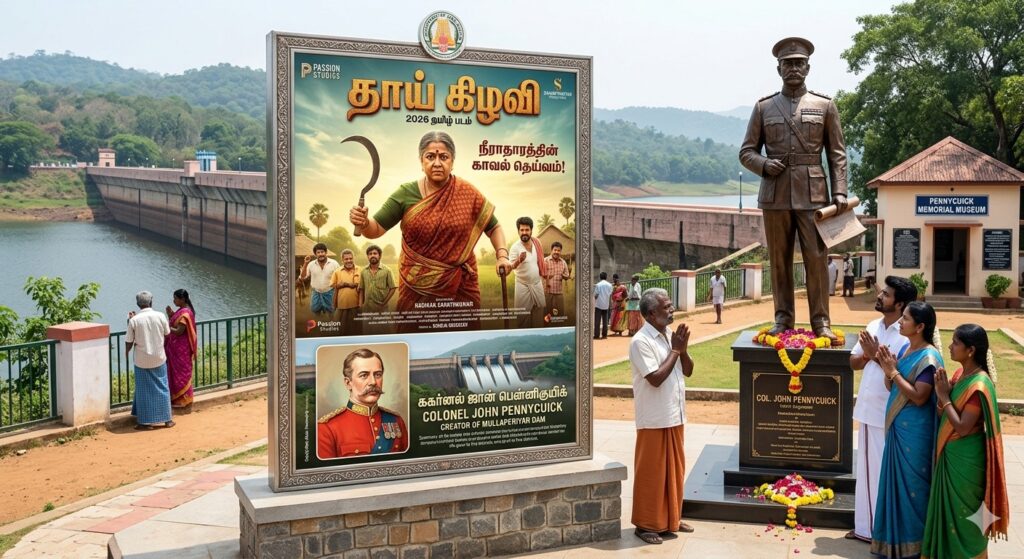
For those who have seen the number 1 film of 2026 thus far – Thaai Kizhavi – one character name would have stood out from the film, even from every Indian film – Penncuick – played by Munishkanth.
The character name is an homage to John Pennycuick, an Indian-born British citizen who risked everything and braved all odds to build the Mullaiperiyar dam.
The question arises: Why would a Tamil film want to glorify a British citizen?
John Pennycuick was not just a person who represented the British Government during the British occupation of India. His actions resulted in many people worshipping him, keeping his picture in their home shrines and many of them – in the hundreds – chose to name their children after him.
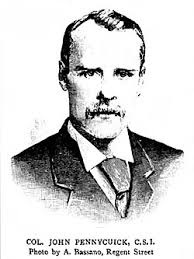
John Pennycuick was born in present-day Pune on 15 January 1841 to Brigadier General John Pennycuick senior and Sarah – both from Perthshire in Scotland.
John Pennycuick senior and his elder son, Alexander, were both killed at the Battle of Chillianwalla in 1849 when John Junior was eight years old.
Eight years later, John Pennycuick Junior joined the East India Company Military College in Surrey. He arrived in India on 11 November 1860 as a qualified engineer and quickly moved up the ranks in the British Military in India.
Geographical Challenges for Tamil Nadu
Visitors to India would have noted how lush and green the neighbouring state of Kerala is when compared to Tamil Nadu. This is because Kerala receives most of its rainfall from the West Monsoon Winds which blow from the Arabian Sea. Unfortunately, a mountain range – referred to as the Western Ghats – separates Kerala from Tamil Nadu. This imposing mountain range prevents the rain-bearing winds from crossing over into Tamil Nadu, making western Tamil Nadu a rain shadow area.
In the mid-nineteenth century, the British authorities realized that the water from the Vaigai River would not be able to sustain the rapidly growing towns like Madurai, Theni and Dindigul.
The plan was to divert the west-flowing Periyar River close to where it met the Mullai River and build a dam there for the water that was flowing westwards into the Arabian Sea.
The plan for a dam
The British were not the first to identify this problem. In 1789, the Maharaja of Ramnathapuram was the first to identify the site as an ideal site for a dam, but when he realised what the construction costs would be, he abandoned the idea, as the projected cost was more than the value of his entire kingdom.
The British authorities then stepped up in 1850 to build the dam, but realised that they would have to work in swamp lands that posed a high risk of malaria. They soon abandoned the idea, but there were numerous subsequent proposals between 1860 and 1882 but the final decision that came from the authorities rejected each plan, citing monumental costs, impracticality and the multiple dangers associated with the project.
Pennycuick’s determination and innovation
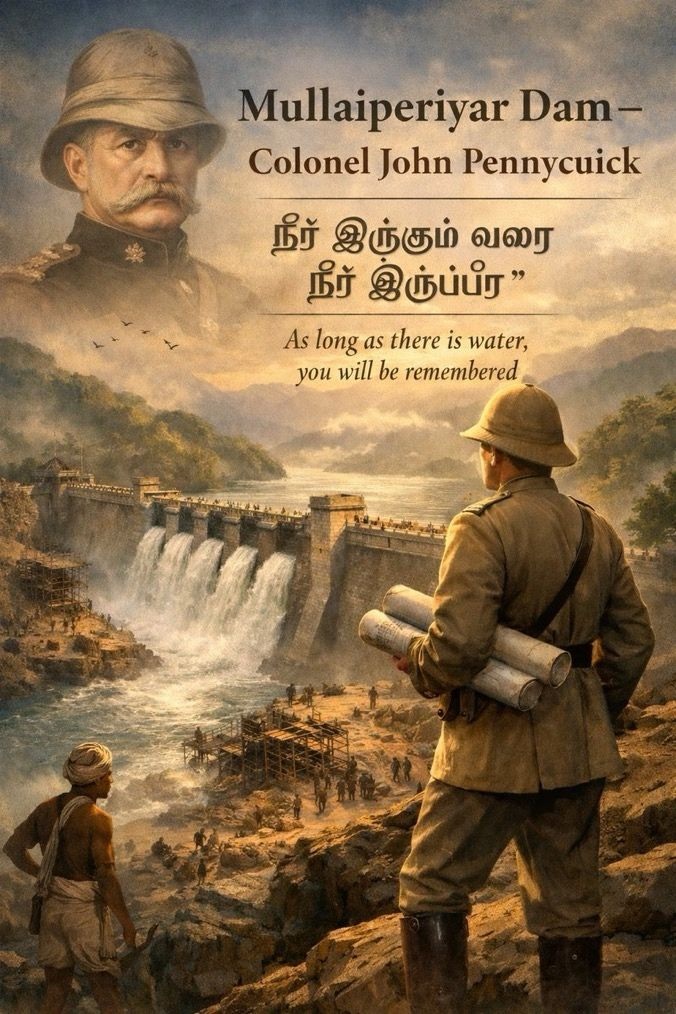
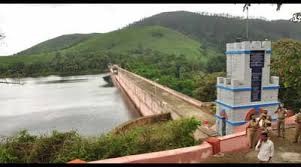
Then came the appointment of engineer John Pennycuik to the area and his first-hand experience of life in the region made him determined to make the project a reality. He had every reason to follow the way of his predecessors and keep it shelved. His father and brother were both killed by Indians on the battlefield and it therefore would have been understandable to harbour resentment or even hatred for the Indian people, but he was a bigger man than that.
Facing each problem individually, Pennycuick used his knowledge of engineering with a liberal dose of innovation to derive creative solutions to the challenges.
The area was very difficult to access. He built a ropeway and used bullock carts to transport the limestone.
Next was the challenge of malaria. He discovered a locally brewed arrack (locally brewed liquor made from fermented coconut flower sap and/ or sugarcane) that gave those who drank it some kind of immunity against the malaria. He issued them to all the workers who were all only too happy to take this as a preventative measure.
When the going gets tough…
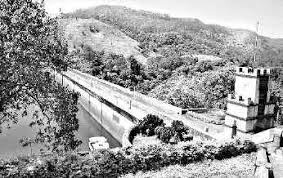
However, Pennycuick’s problems were far from over. The Periyar River came down in flood multiple times, each time destroying any progress made with the dam. Faced with huge losses, the British authorities decided to abandon the project again and withdrew all funding of the project.
Again, Pennycuik had every reason to walk away from the project when this happened. This was not his country and not his people who stood to benefit from the project, but he did the unthinkable. He sold all his assets, including his wife’s jewellery, to personally fund the project.
By 1895, work on the dam had been completed – including the arduous task of building a 1.5 km long tunnel through the Western Ghats. The dam was officially opened by Lord Wenlock, the then Governor of the Madras Presidency.
The dam provided immediate access of water to 223 000 acres of land in Madurai, Theni, Dindigul, Ramanathapuram and Sivagangai. This transformed the former drought-ridden arid areas to thriving agricultural land.
John Pennycuick passed away in Surrey on 09 March 1911, but achieved immortality through his selfless service to a foreign land and foreign people.
Pennycuick’s legacy
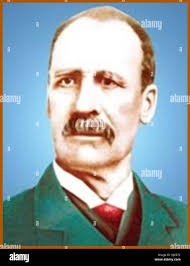
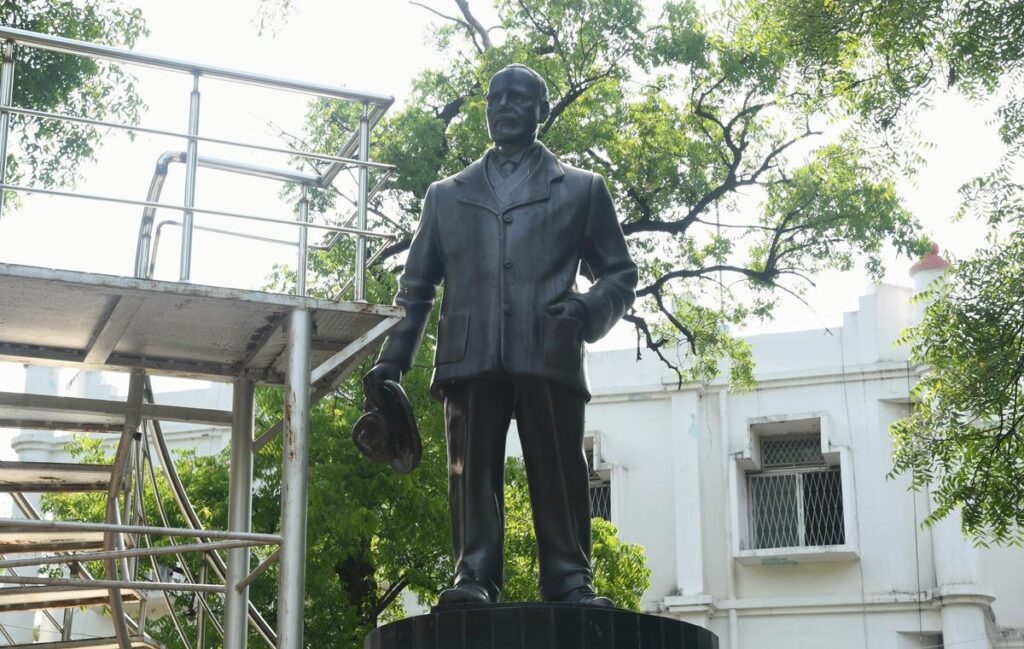
The Tamil Nadu Public Works Departmeent has several statues of Pennycuick in carious sites. Their Madurai office houses a life-size statue, there is a bust at the Mulleiperiyar Dam as well as in Thekkadi and Uthamapalayam.
The people of the areas served by the dam celebrate Pennycuick’s birthday as part of an extended Pongal festival and make numerous offerings in his honour on his birthday.
Most farmers in the area keep a picture of him in their shrine and would often prostrate before this picture. He is remembered, venerated and worshipped also when planting season begins and at the commencement of harvests.
In January 2013 a memorial in his name was unveiled in Theni district. In December the same year, a new bus terminus in Theni was named after him.
What is the reason for this adulation? John Pennycuick had multiple opportunities to make easier decisions. He could have returned to his homeland without building the dam. He could have abandoned the project when the British authorities withdrew all funding – or he could have been driven to hate Indians because of the death of his father and brother at the hands of Indian people. Instead, John Pennycuick decided to make a positive difference to the lives of tens of millions of people and he did so, knowing that he would never benefit financially from the project, nor would he receive any recognition from the British Authorities for his unusual sacrifices.
It is equally heart-warming that the people of the area still remember, honour and worship him.
On 12 January 2019, the Tamil Nadu government donated a marble bust of Pennycuick to his descendants and installed at St Peter’s Church in Frimely. In September 2022, a bust of Pennycuick was donated by Tamil Nadu and unveiled at Camberley.
It is therefore no wonder that the name Pennycuick is still a revered one in Tamil Nadu. People are proud to name their children after him and those who have the name carry it with pride.
While the makers of Rajinikanth’s Linga tried to rewrite history by claiming that Pennycuick did not actually plan, build or finance the dam, the resultant backlash from the people saw them apologise for pushing a false narrative.
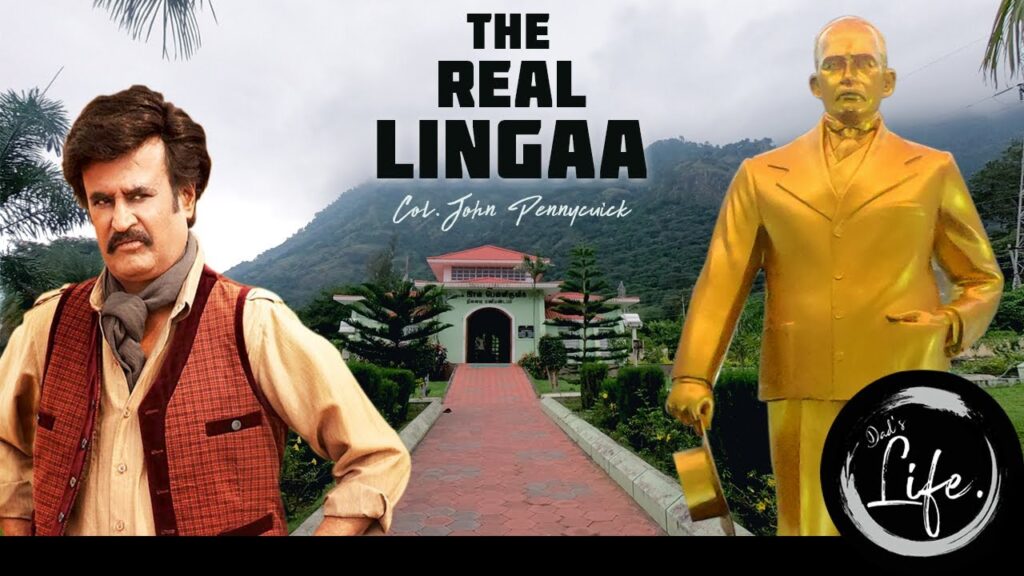
The name receives no direct recognition in Thaai Kizhavi, but does record the reverence people still hold for John Pennycuick Junior.

Spoiler-free Review of “Dorothy” – Now streaming on Netflix
Post Views: 9 Karthik Subbaraj’s tenth film, Dorothy, has enjoyed increased footfalls and positive reviews in its 29-day theatrical run before its release on Netflix
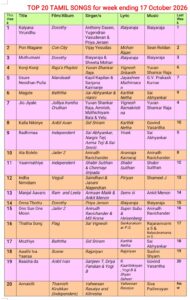
TOP 20 TAMIL SONGS for week ending 17 Oct 2026
Post Views: 8 2nd week at Number 1 for “Kalyana Virundhu” from “Dorothy” and one new entry. This week’s Top 20 – Click Here to

Cine News Digest – 18 Oct 2026
Post Views: 9 Rajinikanth’s Jailer 2 on its way to smash records Jailer 2 is hurtling towards the 400-crore mark globally and could become Tamil

Spoiler-free Review of “JAILER 2”
Post Views: 11 Nelson Dileepkumar’s sequel to his 2023 Rajinikanth starrer, Jailer, is a sincere and earnest attempt to improve on the original. Nelson has

Music Composer Deva dies at age 75
Post Views: 10 Respected and popular music composer Deva – popularly known as Thenisai Thendra Deva – passed away earlier this morning at the age
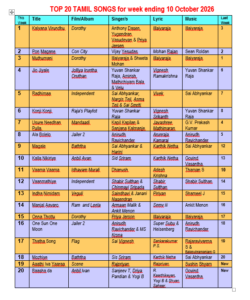
TOP 20 TAMIL Songs for week ending 10 October 2026
Post Views: 14 Click here to watch all 20 Songs or select your favourite Facebook Twitter LinkedIn